Source lens wrench for cameras, repair tools, and maintenance
Compare 30 lens wrench options from verified suppliers in China and Taiwan. Buyers can evaluate specifications like material, size, and customization for cameras and repair tools before requesting quotes.
Key considerations
Products List









Comprehensive Sourcing Guide
Lens Wrench Sourcing Guide
Sourcing specialized lens wrenches requires a nuanced understanding of the intersection between precision optical tools and general hardware manufacturing. These instruments are critical for maintaining camera lenses, telescope optics, and industrial imaging systems, where standard tools often fail to provide the necessary torque control or fit. Buyers must navigate a market that ranges from generic, mass-produced spanners to highly customized, OEM-specific repair tools. The diversity in product listings reflects this split, with some suppliers offering universal fitment tools while others provide specialized equipment for specific camera brands or industrial applications. Understanding these distinctions is the first step in building a reliable supply chain for maintenance and repair operations.
The procurement landscape for lens wrenches is characterized by significant variability in material composition, manufacturing origin, and customization capabilities. While some products are marketed as universal tools suitable for most cameras, others are strictly branded or model-specific, requiring precise verification before bulk ordering. Suppliers often highlight attributes such as stainless steel or carbon steel construction, indicating different durability profiles and price points. Furthermore, the availability of customization services, including logo printing and OEM support, suggests that many buyers are looking for branded solutions for their internal maintenance teams or resale channels. This guide outlines the critical verification steps needed to ensure that the sourced tools meet technical, compliance, and commercial requirements.
Product Scope and Observed Listing Signals
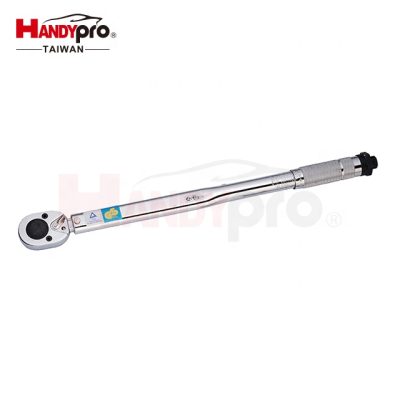
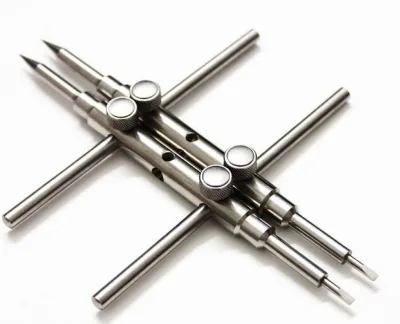
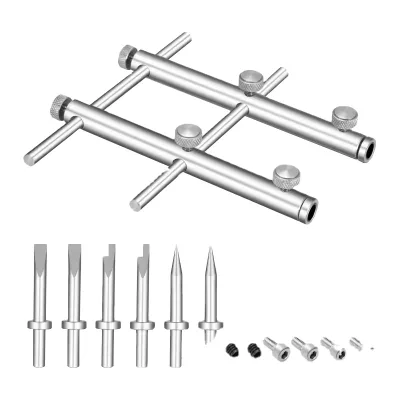
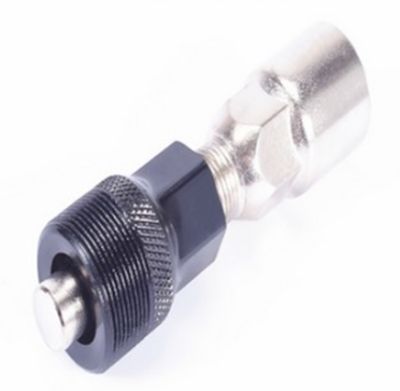
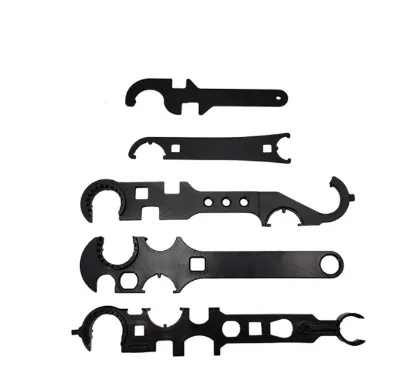
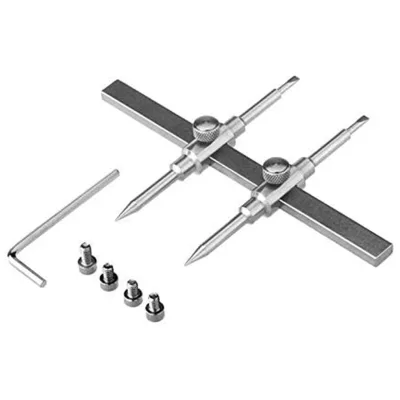
The observed product listings reveal a broad spectrum of tool types, ranging from dedicated lens repair tools to general-purpose spanners and external fixators. This diversity indicates that the term "lens wrench" is often used loosely in supplier catalogs to encompass various mechanical adjustment instruments. Buyers should carefully distinguish between tools designed specifically for optical components, which may feature non-marring surfaces or specific geometric profiles, and general hardware tools that might be repurposed for lens maintenance. The presence of items labeled as "lens tools" alongside "repair tools" and "spanners" suggests that suppliers may not always adhere to strict categorical definitions, necessitating a thorough review of product images and detailed specifications.
Listing signals also highlight significant variations in packaging and branding strategies, which can impact both logistics and end-user perception. Some suppliers offer individual blister packs or heat-shrink wrapped cases, suitable for retail or individual unit distribution, while others provide bulk carton or pallet packaging, indicating a focus on wholesale or industrial procurement. The observation of "universal" car fitment attributes on some listings is likely a data entry error or a misclassification, as lens wrenches are not automotive parts. However, this underscores the importance of verifying the actual application of the tool. Buyers should look for explicit mentions of camera compatibility, optical system fitment, or specific model numbers to ensure the tool matches their maintenance needs.
Technical Specifications to Verify
Material selection is a primary technical consideration when sourcing lens wrenches, as the tool must withstand mechanical stress without damaging delicate optical threads. Listings indicate the use of stainless steel and carbon steel, each offering distinct advantages. Stainless steel provides superior corrosion resistance, which is crucial for tools stored in humid environments or used in outdoor photography settings. Carbon steel, often associated with higher hardness, may offer better torque retention but requires protective coatings to prevent rust. Buyers must verify the specific grade and treatment of the steel to ensure longevity and performance, especially if the tools will be used frequently in demanding conditions.
Dimensional accuracy and standard compliance are equally critical, as lens threads vary significantly across manufacturers and models. Observed standards include specific diameters such as Φ3.0, Φ5.0, and Φ8.0, as well as references to European types. These specifications suggest that suppliers may produce tools for specific thread sizes or regional standards. Buyers should confirm the exact thread pitch, diameter, and tooth profile required for their equipment. Additionally, the presence of "general" model numbers and "DIY" grade indicators suggests that some products may be generic replacements rather than precision instruments. It is essential to request detailed technical drawings or dimension sheets to verify that the tool’s geometry matches the lens mount or filter thread precisely.
Compliance and Safety Documentation
Certification requirements for lens wrenches are generally less stringent than for medical or electrical devices, but quality management standards still play a vital role in supplier reliability. Observed certifications include CE and ISO marks, which indicate adherence to European safety standards and international quality management systems, respectively. While CE marking is typically associated with machinery or electrical products, its presence on hand tools may reflect broader company compliance or specific product safety features. Buyers should verify the scope of these certifications to ensure they apply to the manufacturing process and product safety, rather than being generic claims. ISO certification, particularly ISO 9001, suggests a structured approach to quality control, which is beneficial for ensuring consistent tool dimensions and material quality.
Safety documentation should also address the potential for tool slippage or damage to optical components. Although lens wrenches are manual tools, improper design can lead to stripped threads or scratches on lens barrels. Buyers should inquire about surface treatments, such as knurling or coating, that enhance grip without marring the tool’s contact points. Additionally, while specific safety test results are not listed in the observed data, buyers should request material safety data sheets (MSDS) if the tools involve chemical treatments or coatings. Ensuring that the supplier provides clear usage instructions and safety warnings can also mitigate the risk of user error, particularly when dealing with expensive or fragile optical equipment.
Cost Drivers and Commercial Terms
Pricing for lens wrenches varies widely, with observed ranges from $0.06 to $150 USD, reflecting differences in material, complexity, and branding. Low-cost items are likely generic, mass-produced spanners or simple wrenches, while higher-priced items may be specialized, precision-engineered tools or branded sets. The minimum order quantity (MOQ) also varies, ranging from 1 to 2000 pieces, indicating flexibility for both small-scale buyers and large distributors. Buyers should align their order volume with their expected usage and storage capacity, keeping in mind that higher MOQs may offer better unit prices but increase inventory holding costs. Understanding the cost structure helps in negotiating favorable terms and avoiding unexpected surcharges for customization or expedited shipping.
Commercial terms such as lead times and payment conditions are critical for supply chain planning. Observed delivery times include a 35-day window after a 30% deposit, which is typical for custom manufacturing or bulk orders. Buyers should clarify whether this lead time includes production, quality control, and shipping, or if it is an estimate. Warranty terms also vary, with some suppliers offering 12 months or 3 years of coverage, while others provide no warranty. A longer warranty period may indicate higher confidence in product durability, but buyers should verify the terms and conditions, including coverage for manufacturing defects versus wear and tear. Clear communication of these terms helps in assessing the total cost of ownership and managing risk.
Supplier Qualification and Quality Control
Supplier qualification begins with verifying the origin and manufacturing capabilities of the provider. Observed origins include China (Ningbo, Zhejiang, Guangdong) and Taiwan, regions known for strong manufacturing bases in hardware and precision tools. Buyers should assess the supplier’s production capacity, indicated by supply ability figures such as 100 pieces per month, to ensure they can meet demand without compromising quality. For larger orders, buyers may need to negotiate higher capacity or split orders among multiple suppliers. Additionally, verifying the supplier’s experience in producing lens tools or similar precision instruments can provide insight into their technical expertise and reliability.
Quality control processes should be explicitly defined and agreed upon before placing orders. Buyers should request information on inspection protocols, including incoming material checks, in-process inspections, and final random sampling. The presence of "high quality" claims in listings is subjective and should be backed by concrete quality assurance data. Buyers may consider third-party inspection services for initial orders to verify that the products meet specified dimensions, material grades, and finish requirements. Establishing a clear quality agreement, including acceptance criteria and remedies for non-conforming goods, helps protect the buyer from receiving substandard products and ensures consistent performance in the field.
Long-Term Procurement Checks
Long-term procurement success depends on establishing a robust supplier relationship and continuous performance monitoring. Buyers should regularly review supplier performance metrics, including on-time delivery rates, product quality consistency, and responsiveness to issues. Regular communication and periodic audits can help identify potential problems early and foster a collaborative partnership. For customized products, maintaining clear documentation of specifications and design changes is essential to avoid discrepancies in future orders. Buyers should also stay informed about industry trends and technological advancements in lens tool design, which may offer opportunities for improved efficiency or cost savings.
Risk management strategies should include diversifying the supplier base and maintaining safety stock for critical tools. Relying on a single supplier can expose the buyer to supply chain disruptions, such as production delays or quality issues. By qualifying multiple suppliers, buyers can mitigate these risks and maintain operational continuity. Additionally, buyers should periodically re-evaluate their tool requirements to ensure that the sourced products remain suitable for their evolving maintenance needs. This proactive approach helps in optimizing inventory levels, reducing costs, and ensuring that the right tools are available when needed for critical optical equipment maintenance.
FAQs
What certifications do lens wrench products have?
Lens wrench products typically hold CE and ISO certifications. These standards ensure the tools meet specific safety and quality requirements for industrial and medical applications, providing assurance of reliability during use.
Can I request custom branding for these tools?
Yes, customization is available for lens wrench products including custom logos and OEM support. Buyers can specify unique branding requirements to align the tools with their corporate identity or specific project needs.
What materials are used to manufacture these wrenches?
These tools are commonly manufactured from stainless steel or carbon steel. The material choice depends on the specific model and application, ensuring durability and resistance to corrosion in various operating environments.
How long is the delivery time for orders?
Delivery typically takes 35 days after receiving a 30% deposit. This lead time allows for proper manufacturing and quality control processes before the goods are dispatched from the origin location to the buyer.
What is the minimum order quantity for these items?
The minimum order quantity varies by supplier but can start as low as one piece. Some manufacturers may require a higher MOQ, such as 100 pieces, depending on the specific product model and customization level.
Where are these lens wrenches manufactured?
These products originate from various locations in China, including Ningbo, Zhejiang, and Guangdong. Some specific models may also be sourced from Taiwan, offering buyers multiple regional options for procurement.
What warranty is provided for these tools?
Warranty periods vary, with some products offering 12 months of coverage while others provide up to 3 years. Buyers should verify the specific warranty terms associated with the selected model and supplier.